People comparing movers in El Cajon often focus on dates and estimates. Property access deserves equal attention because the mover must get from the curb to every room. A clear access plan helps the moving company evaluate the job before you sign.
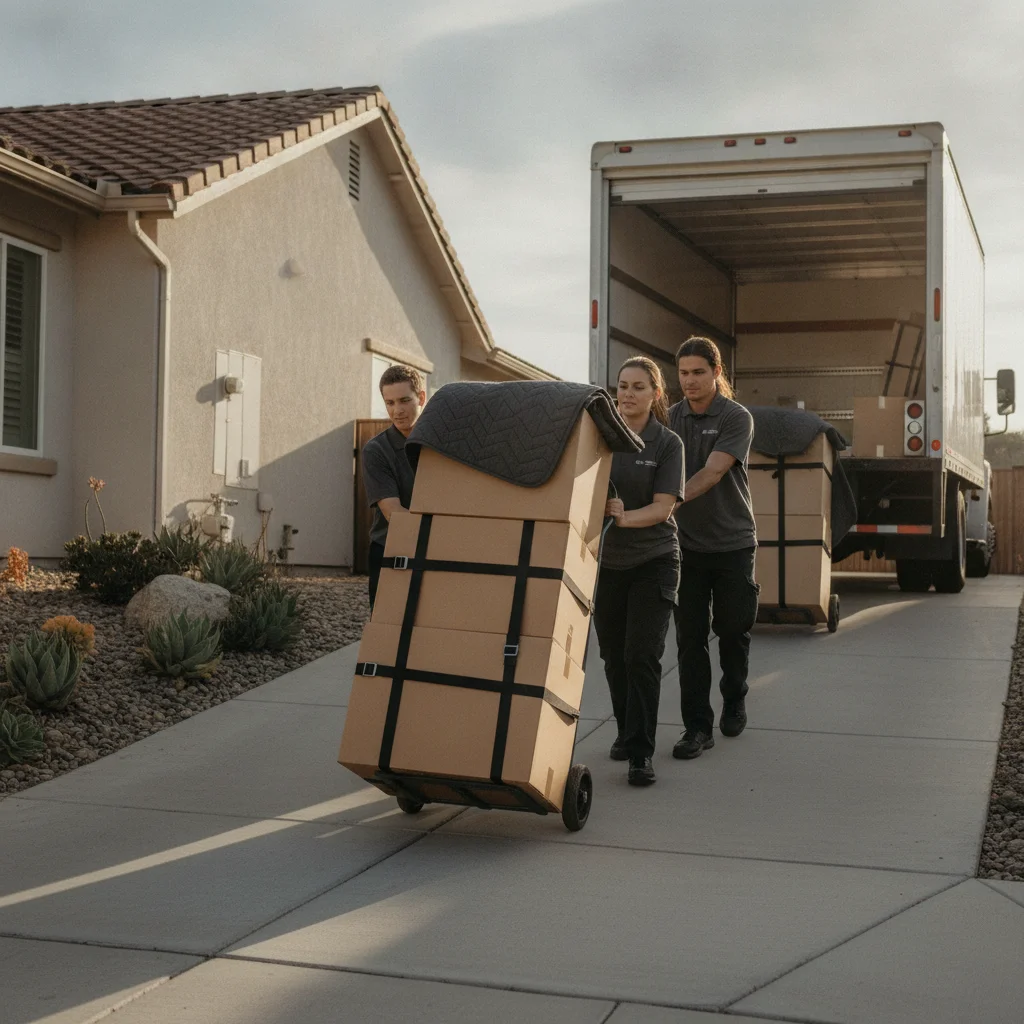
Match the mover to the home’s access
Start with the exact El Cajon property, not a general bedroom count. Two homes with similar inventories can present very different routes. One may offer a clear driveway. Another may involve stairs, a gate, or a long path from the street.
Give each moving company the same access summary. Include the pickup and delivery addresses, then describe:
- The number of exterior and interior stair sections
- The floor where each large item begins and ends
- Driveway slopes, turns, gates, and overhead obstacles
- The expected curb or driveway position for the truck
- The route from that position to the nearest entrance
- Tight hallways, landings, doorways, and room turns
- Furniture that may need disassembly
- Any access controlled by a landlord, manager, or association
Photos and a short walkthrough video can add context. Begin at the planned parking spot. Record the complete route to the rooms holding the largest items. Show closed gates and doors so the mover can judge the openings.
Mention specialty pieces separately. A piano, safe, large appliance, or oversized table may need different handling. Don’t hide a difficult turn because another company dismissed it. Let the mover who may handle the job make its own assessment.
Master Movers San Diego is a referral service, not the carrier. We connect customers with licensed, insured independent local movers. The company you book supplies the crew and equipment and performs the move. For help finding an appropriate match, review our local moving service options.
Check curb space before moving day
Treat parking as an address-specific question. Don’t assume a rule from San Diego, La Mesa, or another nearby city applies in El Cajon. Rules for a storage container also may differ from rules for a moving truck.
No El Cajon-wide curb reservation procedure, parking fee, or time limit was confirmed from a primary source. Confirm the current rule for your exact frontage with the City of El Cajon. Ask which office controls the curb and whether any written approval is required. If another public agency controls that location, ask the city to identify it.
Send that authority the full address and planned activity. Ask about temporary loading space, posted restrictions, curb markings, containers, and signs. Don’t place cones or homemade notices unless the controlling authority confirms that you may do so. Keep its written reply with your move records.
Walk the frontage near the moving company’s scheduled start. Photograph every posted sign, curb marking, driveway entrance, gate, and overhead obstruction. Note whether landscaping, parked vehicles, or other fixed features narrow the approach. Share those images with the mover rather than promising that the truck will fit.
Private property needs its own confirmation. Ask the owner, landlord, manager, or association who can approve driveway and common-area access. Get any required instructions in writing. If the planned truck position changes, update the moving company before it finalizes the access plan.
Leave emergency routes and neighboring driveways clear. If you don’t control a parking space, don’t represent it as reserved. The mover can then discuss another lawful truck position and explain how that change affects its written estimate.
Plan for stairs, driveways, and long carries
Walk the full route with the largest item in mind. A clear path for boxes may still contain a turn that doesn’t work for a sofa, appliance, or table. Measure openings instead of relying on memory.
Record door width, gate width, ceiling clearance, and the dimensions of large furniture. Include handles, trim, railings, light fixtures, and security doors in your notes. A doorway’s open position can matter as much as its frame.
Count each stair section and photograph the landings. Tell the mover whether the stairs are inside, outside, straight, or turning. Don’t describe a route as ground level when steps connect the truck position and entrance.
For driveways, show the approach from the street. Capture the slope, curb transition, bends, gate, and space near the building. Don’t direct a truck onto a driveway unless the property owner and mover agree to that plan. The moving company must decide where its vehicle can lawfully and safely stand.
A long carry means the mover must travel farther between the truck and the property. There’s no verified El Cajon distance standard from a primary source. Ask each mover how it defines that condition and whether it changes the written estimate. Get the answer before signing.
Clear personal items from the route. Move planters, hoses, toys, and loose decorations where you’re authorized to do so. Keep pets away from active paths. If a fixed obstacle can’t be moved, mark it in the photos and tell the mover.
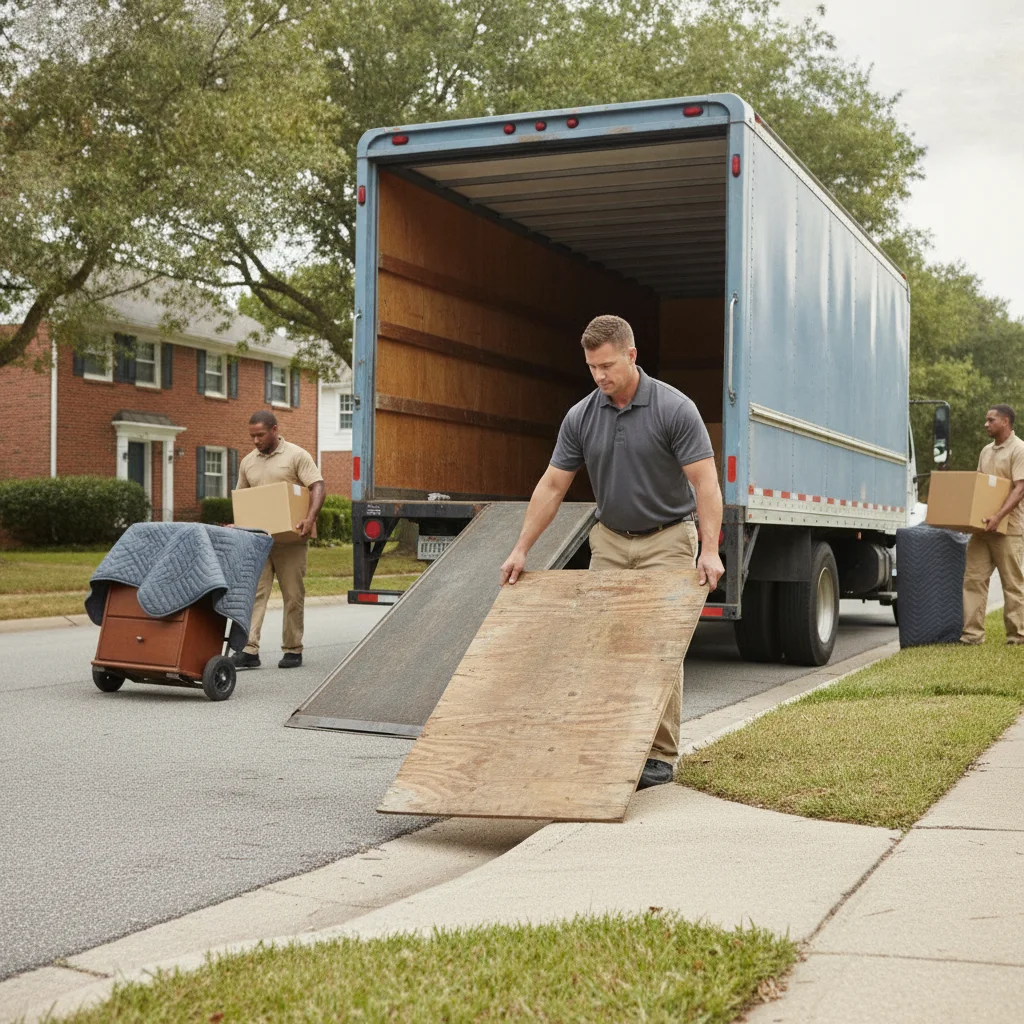
Discuss weather and item protection with the mover
Weather planning should use the forecast for the actual address and date. No El Cajon seasonal threshold or moving-weather policy was verified from a primary source. Check a current official forecast, then discuss the conditions directly with the company performing the move.
Ask how the mover changes its plan for heat, rain, wind, or wet walkways. The answer should cover the truck-to-door route, staging areas, floors, furniture, boxes, and any items that shouldn’t sit outdoors. Don’t assume a standard protection method applies to every company or shipment.
Identify areas where items might wait between the home and truck. Tell the mover which spaces are shaded, covered, exposed, or shared. If a landlord or association limits coverings in a common area, provide that instruction before moving day.
Create a separate inventory for items affected by temperature or moisture. Include electronics, artwork, instruments, documents, plants, medicines, and food. Ask the mover which items it won’t accept and how it expects you to prepare the rest. Our guide to items movers may decline can help you form questions, but the booked mover’s written policy controls.
Photograph valuable items before packing. Note existing marks and keep receipts, appraisals, serial numbers, and inventory records where available. Don’t leave those records inside the shipment.
If the forecast changes, contact the moving company and ask whether its plan changes. The carrier, not Master Movers San Diego, decides its working conditions, protection methods, and carrier terms.
Verify the mover before signing
California-only household moves are regulated by the Bureau of Household Goods and Services, or BHGS. Movers aren’t licensed by the CSLB, and the CPUC is no longer the household-mover regulator. A California household mover holds a BHGS license.
Check the company through the official BHGS household mover search. Search the mover’s legal name and license number before booking. Compare the result with the name shown on the estimate and other paperwork. Ask the company to explain any mismatch before you sign.
BHGS also publishes consumer information for household moves. Read that material alongside the mover’s estimate and agreement. The specific Max 4 tariff figures weren’t verified from a primary source, so they aren’t stated here. Ask the mover to identify the current terms that apply to your shipment.
For an interstate move, verify the carrier through FMCSA Protect Your Move. Interstate moves are additionally regulated by FMCSA and use federal registration records. Don’t apply federal valuation figures to a move that begins and ends in California.
Request a written estimate that reflects the access details you supplied. Make sure stairs, truck position, long carries, specialty items, and requested services appear accurately. Ask the mover how updates are documented if conditions change.
Confirm insurance information directly with the moving company. Review its carrier terms, valuation options, exclusions, and claims process. Master Movers San Diego doesn’t hold a household mover license, set carrier rates, issue estimates, or decide claims. Our guide to choosing a San Diego mover provides more questions for comparing companies.
When to call us
A professional crew makes sense when an El Cajon move involves stairs, a sloped driveway, limited curb access, or heavy specialty items. Call us at (858) 400-4069 and we’ll connect you with a licensed local mover.