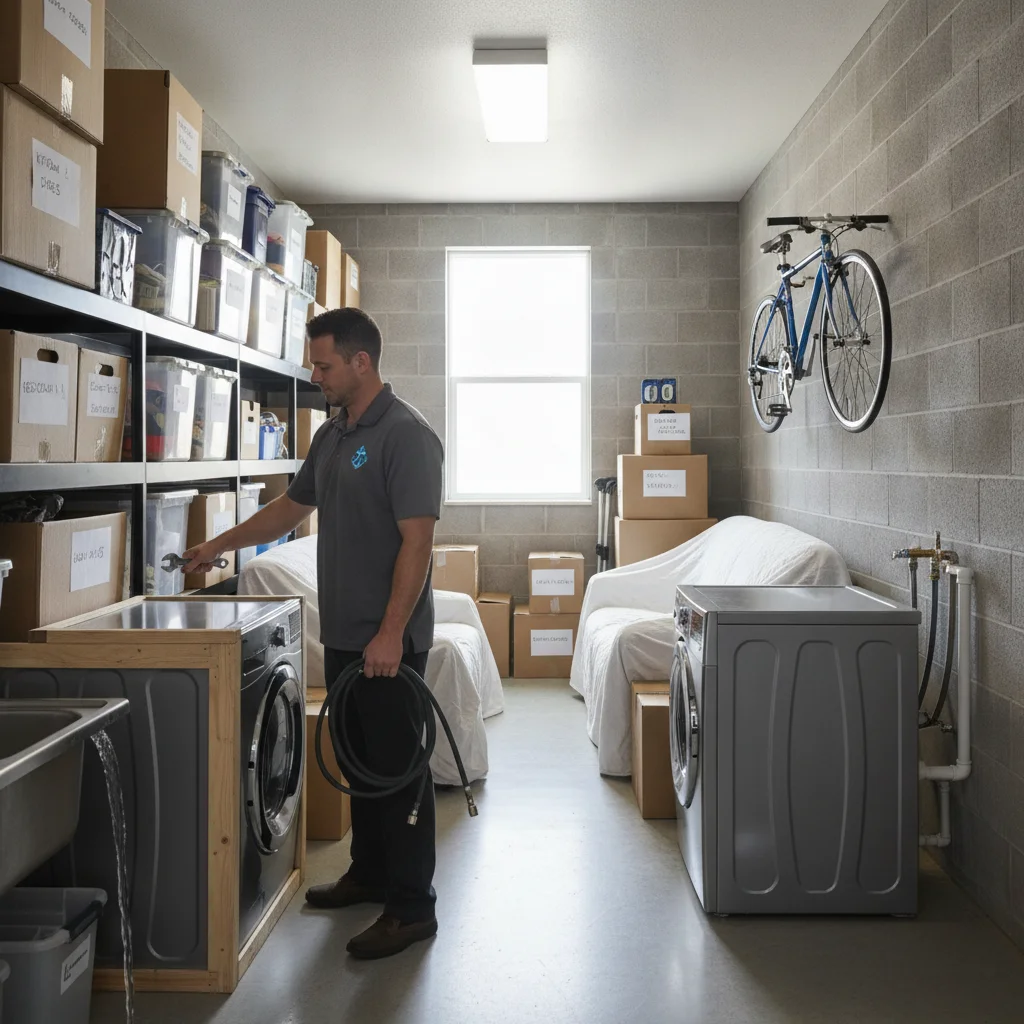
A one-night key gap can turn a straightforward San Diego move into two separate handoffs. Overnight storage gives your belongings a temporary stop when possession dates, lease dates, or building access windows don’t align.
When move-out and move-in dates don’t line up
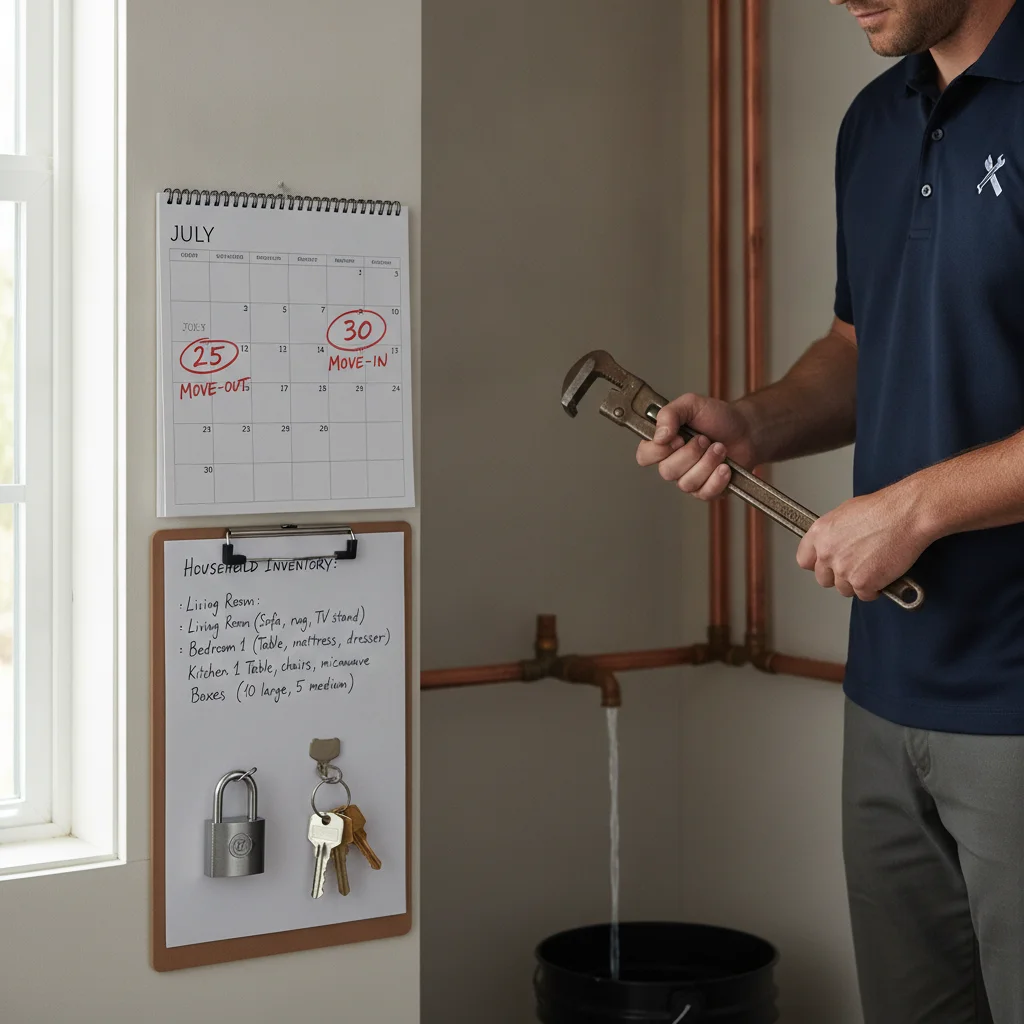
Start with the exact times you must leave and can enter. Dates alone don’t show the full gap. Your old lease might end in the morning, while the new building allows loading later. A closing delay can also move the key handoff without changing your scheduled move-out.
Treat “overnight” as a description of the gap, not a service promise. Give each provider the pickup date, delivery date, and available time windows. Include any uncertainty around keys or possession. The provider can then explain which storage arrangement fits its schedule and terms.
San Diego building rules can create a gap even when both addresses are available. A downtown condo may assign a loading dock window. An HOA may control elevator reservations. A rental office might release keys separately from the lease start date. Confirm each handoff directly with the property manager or closing contact.
Build a written timeline with these points:
- When packing must be complete
- When the first property must be empty
- When keys must be returned or collected
- When the destination allows mover access
- Who can authorize changes at each address
Share that timeline before accepting a quote. Don’t assume a mover can hold a loaded vehicle overnight. Ask how the company handles the gap and where the belongings would be kept. For a wider look at available arrangements, read the guide to moving and storage options in San Diego.
Storage-in-transit compared with self-storage
A mover-managed plan may combine pickup, temporary holding, and later delivery under one provider. Ask that mover to define its storage-in-transit service in writing. The document should identify the storage location, delivery process, access rules, and charges set by that provider.
Self-storage separates the storage agreement from the move. You select the facility, sign its agreement, and coordinate the belongings entering and leaving the unit. That can offer more direct control over the storage location. It can also create another scheduling step, especially if different crews handle pickup and delivery.
Compare the two options by counting handoffs. A mover-managed plan may involve one company across both move dates. A self-storage plan may involve a facility plus one or more moving appointments. Neither structure is automatically right. The better choice depends on access, inventory, paperwork, and the certainty of your move-in date.
Ask each provider these questions before choosing:
- Who has custody of the belongings during the gap?
- Will the shipment stay together?
- Can you access anything before final delivery?
- What happens if the destination date changes?
- Which party documents the inventory at each handoff?
- Which agreement controls storage-related damage or loss concerns?
Get the answers from the provider’s current written terms. Storage rates, minimum periods, access hours, and coverage language vary by agreement, so they couldn’t be confirmed as one San Diego-wide rule. The storage services referral page can help you begin comparing arrangements. Master Movers San Diego does not own or operate storage facilities.
What the mover needs to quote the handoff
A clear quote starts with more than the number of bedrooms. Tell the mover where the belongings begin, where they’ll be stored, and where final delivery occurs. Provide the complete timeline and mark any date that could change.
Describe access at all locations. Include stairs, elevators, loading docks, gated entries, long carries, and parking limits that apply to your addresses. If a downtown building or HOA requires documents or reservations, send those instructions to the mover. Don’t paraphrase a building rule when the property manager can provide it in writing.
The mover also needs a useful inventory. List large furniture, appliances, packed boxes, and items requiring separate handling. Photos can help the company understand tight entrances or unusually shaped pieces. Identify anything that shouldn’t enter storage before the provider prepares its quote.
Ask the company to separate each stage in its written pricing:
- Pickup and loading
- Transportation to storage
- Storage under the provider’s stated terms
- Final transportation and unloading
- Any access or schedule-change terms set by that provider
Don’t rely on a verbal description of “overnight storage.” Review the provider’s definition, dates, and responsibilities. If the destination isn’t firm, request written instructions for changing the delivery date. That keeps a shifting key handoff from becoming an undocumented agreement.
For a California intrastate move, verify the company through the BHGS Household Mover License Search. BHGS regulates intrastate household movers in California. It isn’t the CSLB, and interstate moves fall under a separate federal system.
Which belongings need separate planning
Not everything belongs in an overnight storage shipment. Start by packing a personal bag for the entire gap. Include medications, identification, keys, chargers, work devices, essential clothing, and documents needed for the new property.
Keep irreplaceable papers and small valuables under your control. Property records, passports, financial documents, jewelry, and personal electronics can be difficult to retrieve once a shipment enters storage. If you may need something before delivery, don’t bury it inside a sealed box.
Ask the mover and storage provider for their prohibited-item lists. Don’t assume both companies accept the same belongings. Get written guidance for food, plants, liquids, batteries, chemicals, and temperature-sensitive items. If the provider won’t accept something, arrange another location before loading day.
Specialty belongings also need direct confirmation. Pianos, artwork, antiques, safes, and large exercise equipment may require different preparation or handling. Tell the mover about them during quoting, not when the truck arrives. Ask whether the storage environment and handling method are suitable for the specific item.
San Diego’s varied move routes can make retrieval inconvenient. A shipment collected in North County might be held away from your temporary lodging in central San Diego. A South Bay move can present the same issue. Confirm the actual storage location and access procedure before deciding what travels with the shipment.
Label boxes for both destination room and priority. Mark the items needed first after move-in. Keep your own inventory copy, along with photos taken before pickup. At every handoff, compare the provider’s documents with what you can see.
What to confirm about access and coverage
Access is one of the biggest differences between overnight storage plans. Some arrangements may not permit customer access before final delivery. Others may require an appointment or separate handling. Don’t assume a storage stop works like a personal unit with direct entry.
Ask the provider to state these points in writing:
- The address or type of location holding the belongings
- Whether customer access is available
- Who must approve access
- How a changed delivery date is handled
- What identification or notice the provider requires
- Which records document pickup, storage, and delivery
Coverage needs the same close reading. Ask the mover what document applies while goods are in transit, while they’re stored, and during final delivery. Then ask the storage provider whether a separate agreement applies. Don’t assume the same terms continue through every stage.
Request the current documents and read the exclusions. No universal coverage amount or storage rule could be confirmed from the approved sources for this page. The provider and its agreement are the authorities for those terms. If the wording is unclear, ask the company to identify the applicable section before you sign.
Confirm the mover’s regulatory record as part of that review. The BHGS consumer information page explains California household mover oversight. For an interstate shipment, check the mover through FMCSA’s Protect Your Move resources as well.
Finally, verify the destination one more time before pickup. Confirm keys, building access, elevator timing, and the person authorized to admit the mover. A short written checklist gives every party the same handoff plan.
Frequently asked questions
What happens to my belongings if my move-out and move-in dates do not line up?
Ask the mover or facility you book what arrangement they offer. Some movers provide storage-in-transit, where the loaded shipment stays in the mover’s custody between the two dates. Others may recommend a self-storage unit that you arrange separately. The right option depends on the provider’s terms, the length of the gap, and your access needs.
Is storage in transit cheaper than renting a self-storage unit?
It depends on the mover’s or facility’s current rates and minimums. Ask both providers for a written comparison based on your actual gap and inventory before choosing. Neither option is universally cheaper.
How long can belongings stay in storage between move dates?
The maximum hold period depends on the mover’s or facility’s terms. Tell the provider the real gap when you book, because a gap that grows after pickup may change the pricing and the arrangement type.
Can I get to my things while they are in storage between moves?
Usually not on demand, and that is the trade-off worth understanding before you choose. A shipment held in transit is packed for transport, not for browsing. Pack a separate bag with documents, medication, chargers and anything you need during the gap, and keep it with you rather than on the truck.
When to call
A date gap benefits from a licensed mover when belongings require two coordinated handoffs, building access is limited, or specialty items need separate planning. Have your addresses, inventory, and confirmed access windows ready. Call (858) 400-4069 to get matched with a licensed mover who can explain the storage options available for your specific gap.