A San Diego to Los Angeles move stays within California. Start with exact addresses, access details, inventory, and a licensed mover. Set the scope before comparing written estimates, then verify the mover through BHGS.
Choose the pickup and delivery scope
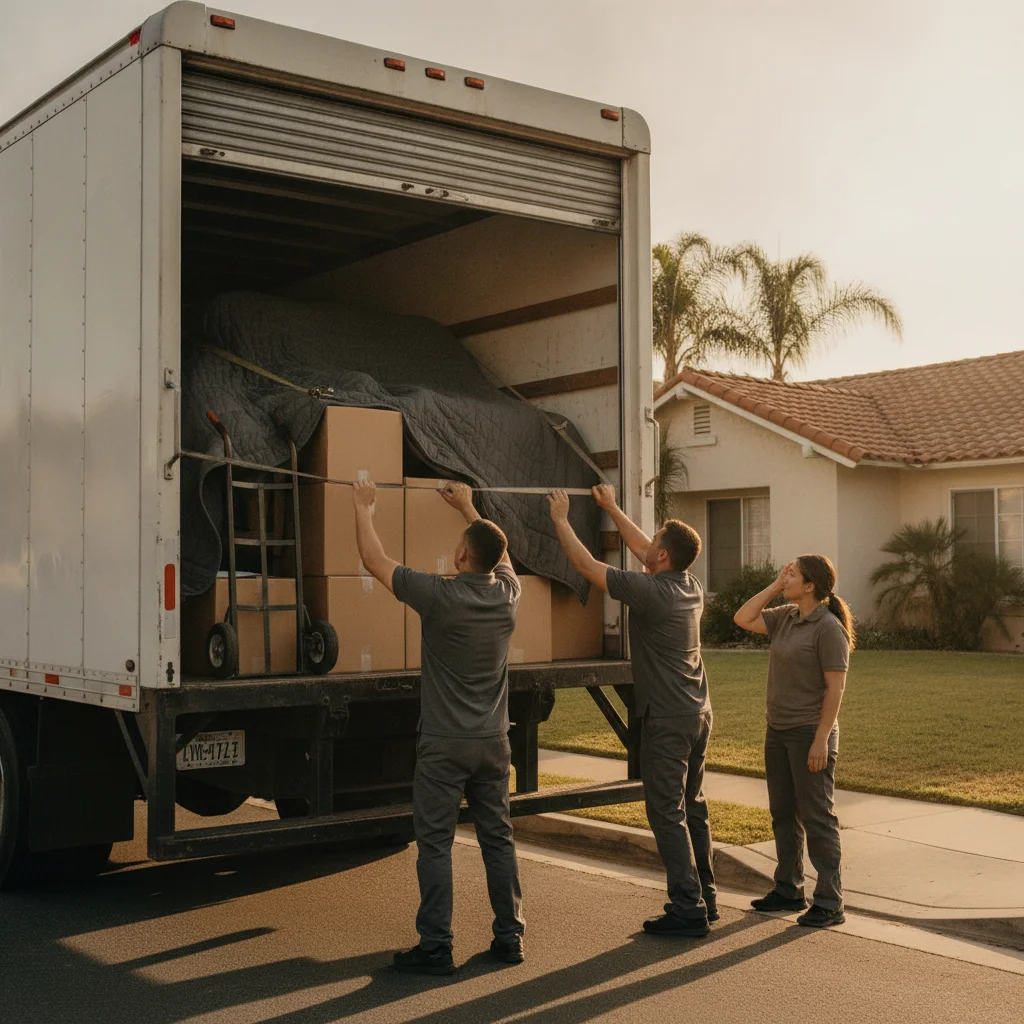
Define the move before asking companies to price it. “San Diego to Los Angeles” gives a direction, but it doesn’t describe the work.
Start with the complete pickup and delivery addresses. Note whether each address is a house, apartment, condo, or commercial building. Record stairs, elevators, gates, loading areas, driveway access, and parking conditions. Include any stop between the two main addresses.
For a San Diego pickup, describe the actual setting. A Downtown building, La Jolla home, Chula Vista townhome, and Oceanside apartment present different access questions. Don’t expect a mover to infer those details from a ZIP code.
Repeat the review at the Los Angeles address. Ask the property manager, landlord, or HOA about moving hours, elevator reservations, loading access, and insurance paperwork. Those conditions come from the property. Confirm them directly instead of copying another building’s instructions.
Next, decide which tasks belong in the quote. You may need transportation only, or help with packing, furniture preparation, storage, and unpacking. Identify what you’ll handle yourself. Be clear about anything that must remain assembled or travel separately.
Tell each mover if the keys, lease dates, or building access aren’t settled. Ask how a date change would affect the written terms. Don’t rely on a verbal assumption about storage or a second delivery attempt.
Our long-distance moving referral service connects customers with independent, licensed movers. The mover you book supplies the crew, equipment, written terms, and physical service. Master Movers San Diego doesn’t perform the move or set the carrier’s rates.
A defined scope gives every company the same job to review. It also makes later changes easier to identify.
Build an inventory before requesting quotes
An inventory is the working record for your move from San Diego to LA. Build it before requesting quotes, then send the same version to every mover.
Work through the home room by room. List furniture, packed boxes, appliances, outdoor items, and anything stored in a garage or closet. Use specific descriptions. “Dining table with removable leaf and six chairs” is more useful than “dining room.”
Add dimensions when size affects handling or doorway clearance. Note glass panels, stone tops, adjustable beds, large artwork, and furniture that may need disassembly. Identify pianos, safes, exercise machines, antiques, and other items that need a separate handling discussion.
Photographs can support the written list. Capture the item, its approach path, and nearby stairs or doorways. A close photograph of a sofa won’t show whether it fits through the exit. Don’t include private documents or personal information in images sent for quoting.
Mark what won’t travel with the mover. Separate donations, items going into storage, and belongings staying with the property. If you’re still deciding, label those items as pending instead of leaving them out.
Ask each mover how inventory changes are documented. If you add boxes or furniture, send the update to every company still under consideration. Keep the revised list with the estimate it supports.
Discuss valuable items directly with the mover. This is a California-only move, so federal interstate valuation figures don’t govern it. We could not confirm the specific Max 4 tariff valuation terms. Ask the licensed mover to identify the applicable intrastate terms in its paperwork, and confirm unresolved questions with BHGS.
If your destination might change outside California, our destination comparison guide explains why that changes the planning discussion. Don’t apply interstate rules to the San Diego-to-Los Angeles route.
Discuss I-5 routing without fixed travel times
Put I-5 in the route conversation, but don’t turn it into a promised clock. Ask the mover whether the planned route uses I-5 and what information could change that plan.
The exact San Diego pickup matters. Give the mover the street address, building access, parking conditions, and requested service date. Do the same for the Los Angeles destination. A city name alone doesn’t show where the truck can load or unload.
Ask the mover to explain its scheduling assumptions in writing. Separate the loading plan, road portion, unloading plan, and any storage step. If the company provides a pickup or delivery window, ask whether it’s an estimate or a contractual commitment. Confirm how schedule changes will be communicated.
Avoid inserting a travel time from a map into the moving agreement. A consumer map doesn’t account for the mover’s approved route, operating conditions, stops, or the service scope. It also doesn’t tell you how long building access, loading, and unloading will take.
Discuss what happens if access isn’t available as planned. The Los Angeles property may have instructions for its loading area or elevator. The San Diego property may also set conditions. Ask both properties directly, then give those instructions to the mover before signing.
Keep important items with you. That includes identification, keys, medication, lease documents, chargers, and the mover’s paperwork. Don’t pack something you’ll need while the household shipment is in transit.
A useful route discussion produces written assumptions, not a guaranteed arrival claim. The mover should explain its proposed schedule and terms. Master Movers San Diego can make the referral, but it doesn’t control the route, truck, or delivery timing.
Compare written estimates and mover responsibilities
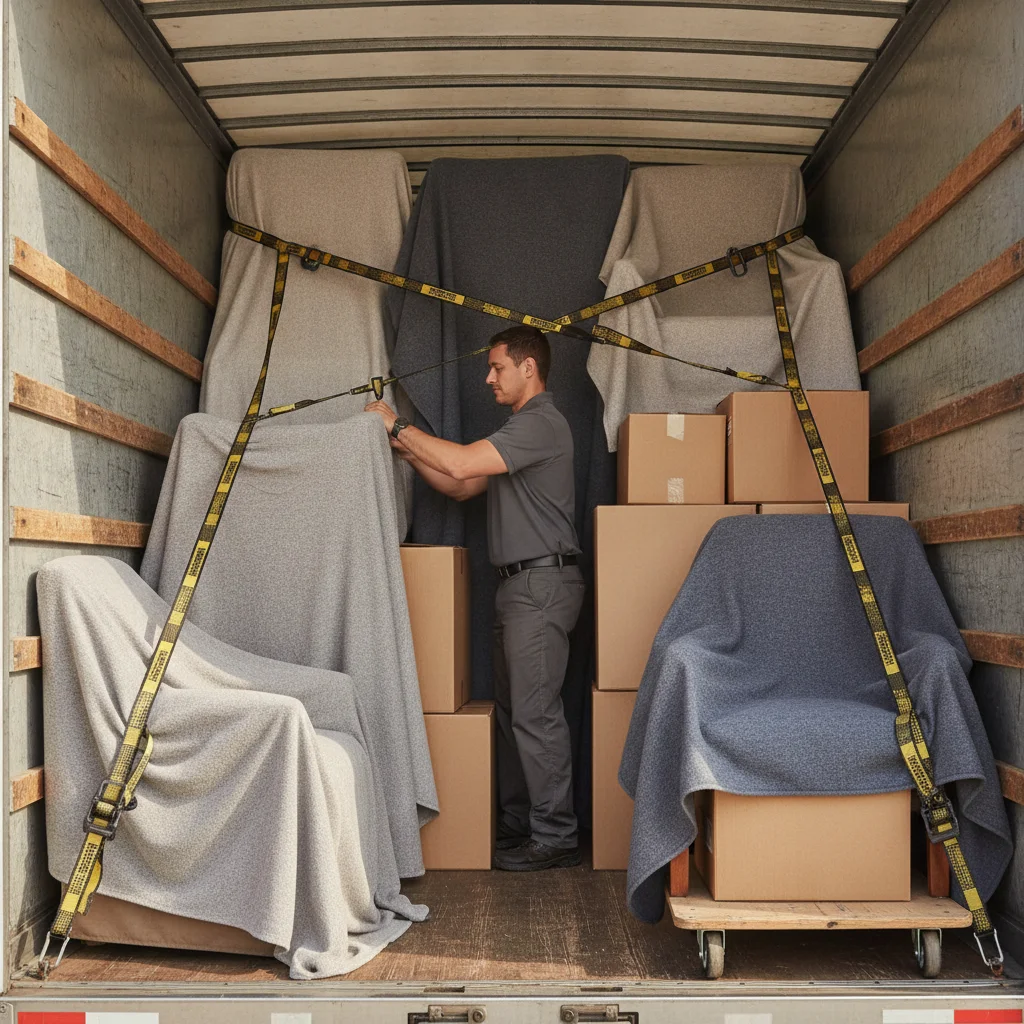
Compare the same scope across every written estimate. A lower total means little if packing, access, storage, or specialty items appear on only one document.
Check the legal business name shown on the paperwork. Confirm the pickup address, delivery address, inventory version, requested services, and planned stops. Ask the mover to correct errors in writing before you agree to the job.
Look for clear treatment of packing materials, furniture preparation, stairs, elevators, parking access, storage, and delivery conditions. Don’t assume a service is included because it came up during a phone call. Ask the mover to state what it will provide and what you must prepare.
Request an explanation of the pricing method without asking Master Movers San Diego for a rate. The independent mover sets its charges and payment terms. Ask what can change the quoted amount, how changes receive approval, and where those changes will appear.
Do the same for cancellation and scheduling terms. We could not confirm a standard fee, waiver, deposit, or delivery window for this route. Read the individual mover’s terms and ask for clarification before paying or signing.
Coverage also needs a California-specific discussion. Federal FMCSA valuation figures apply to interstate household moves. They don’t describe a move that begins and ends in California. The exact Max 4 valuation terms weren’t confirmed from a primary source, so don’t substitute an interstate figure. Ask the mover which intrastate options apply and where your selection appears.
Your responsibilities include providing an accurate inventory and obtaining current property instructions. Tell the mover about access limits, specialty items, and changes. Keep copies of the estimate and later revisions.
The mover you hire performs the packing, loading, transportation, or unloading listed in your agreement. Master Movers San Diego connects you with an independent mover. It doesn’t supply the truck, employ the crew, issue the estimate, sell coverage, or decide a claim.
Check the mover’s BHGS license before booking
Verify the company that will perform the move. California intrastate household movers are regulated by the Bureau of Household Goods and Services, or BHGS. BHGS is part of the Department of Consumer Affairs.
Ask the mover for its household mover license number before booking. Enter the information in the official BHGS Household Mover License Search. Use the result to confirm that the mover you intend to hire holds a current license.
Compare the company identity with the name on your estimate and other paperwork. If the information doesn’t align, pause the booking. Ask the mover to explain the difference and confirm the record through BHGS.
Don’t guess what a license number should look like. We could not confirm the current number format. A logo, advertisement, or statement that a company is “licensed” isn’t a substitute for checking the agency’s record.
BHGS took over California household-mover regulation from the CPUC in 2018. The CSLB regulates contractors, not household movers. A moving company doesn’t need a CSLB contractor license for household moving work.
FMCSA handles interstate household moves and publishes federal registration records. A San Diego-to-Los Angeles household move remains within California, so don’t treat federal registration as a replacement for the California license check. A company may hold authority under one system and not the other.
Review the BHGS consumer information for household moves before signing. Ask the mover to identify the documents and terms that apply to your shipment. If a rule, figure, or coverage term remains unclear, confirm it with BHGS rather than relying on an estimate from another move.
Master Movers San Diego doesn’t hold a household mover license or perform physical moving work. Its role is connecting customers with licensed, insured, independent movers. Your agreement for the move is with the mover you select.
When to call us
A San Diego-to-Los Angeles move may need a professional crew when packing, building access, specialty items, or storage make self-moving impractical. We’ll help connect you with an independent mover for the defined scope.
Call us at (858) 400-4069 and we’ll connect you with a licensed local mover.