Last updated: April 25, 2026
TL;DR
- Many San Diego high-rise condos require a Certificate of Insurance (COI) from your mover before move day. The lead time, format, and coverage limits vary by building.
- The HOA or management company sets its own insurance requirements. Ask for the written moving rules before booking.
- Elevator reservation rules, deposits, and overage fines differ by building. The property manager or HOA board sets the actual terms.
- A properly insured mover can usually arrange a COI through their insurance broker. If a mover cannot provide one, ask what coverage they carry before signing.
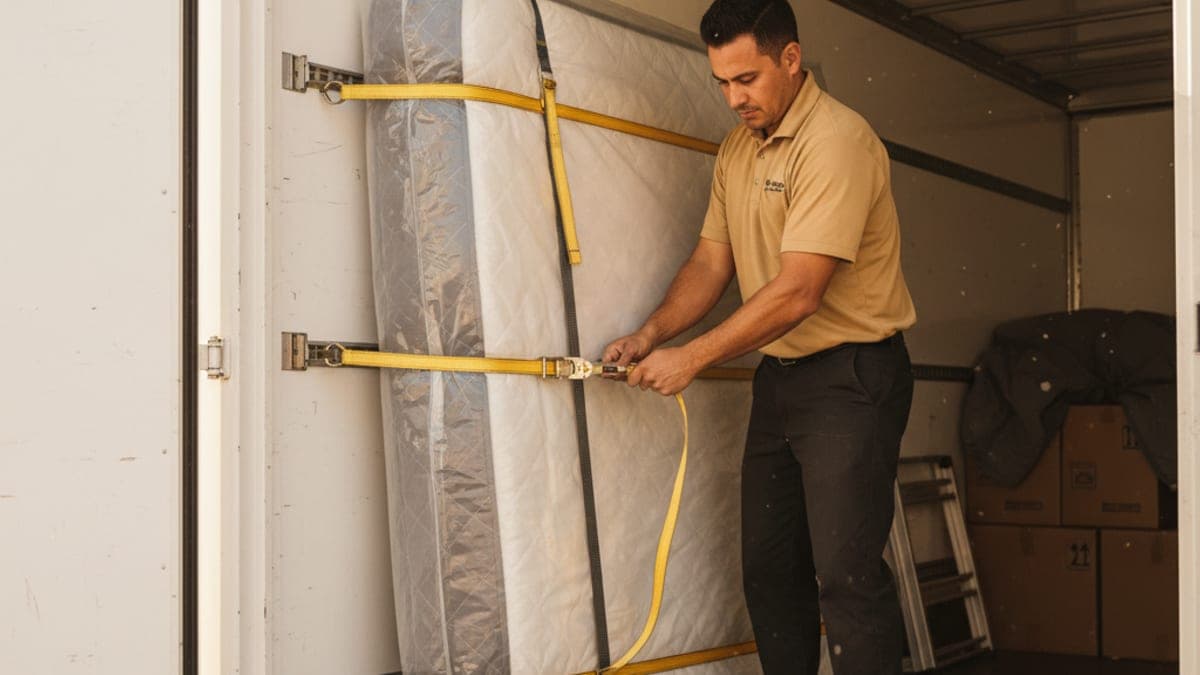
A San Diego condo HOA Certificate of Insurance (COI) is a document from your mover’s insurance carrier that may name the HOA and management company as certificate holders or additionally insured, depending on the building’s requirements. Many downtown high-rises and gated condo communities require one on file before allowing a moving truck onto the property.
Master Movers San Diego is a referral marketplace that can try to match you with a licensed mover for your condo move. Two data points worth knowing: HOAs in California can require move-day COIs and elevator deposits through their recorded CC&Rs and operating rules, and the specific requirements vary by building.
Why do HOAs require a Certificate of Insurance?
Condo HOAs require a COI for one reason: if your mover scratches the lobby marble, dents the elevator door, or drops a sofa on the parking garage gate, the HOA wants the mover’s insurance to pay, not the HOA’s policy. Naming the HOA as additionally insured creates a direct claim path to the mover’s carrier.
This is not a money-grab. Common-area damage during a move can be expensive to repair, and the HOA wants the mover’s insurance to be the one paying, not the building’s policy.
A properly insured mover can request a COI from their insurance broker by providing the HOA’s name, address, and any specific limit requirements. The turnaround time varies by broker and insurer. Ask the mover how long their COI process takes before committing to a move date.
What does a typical San Diego condo COI require?
COI requirements vary by building, but the HOA’s management company will provide the exact requirements when you submit the move-in request. Common categories include general liability, auto liability, workers’ compensation, and cargo coverage, each with minimums the building sets. Some buildings ask to be named as additionally insured; others ask only to be listed as certificate holder. The distinction matters: a certificate holder receives notice if the policy is cancelled, while additionally insured status provides a direct claim path.
Some buildings also require a notice of cancellation clause or a primary-and-noncontributory endorsement. These are standard insurance endorsements that a properly insured mover’s broker can usually arrange.
Forward the management company’s written requirements directly to your mover. A mover licensed by the Bureau of Household Goods and Services (BHGS) for California moves, or by FMCSA for interstate moves, should be able to process the COI request through their insurance broker.
How do reserved elevator windows work?
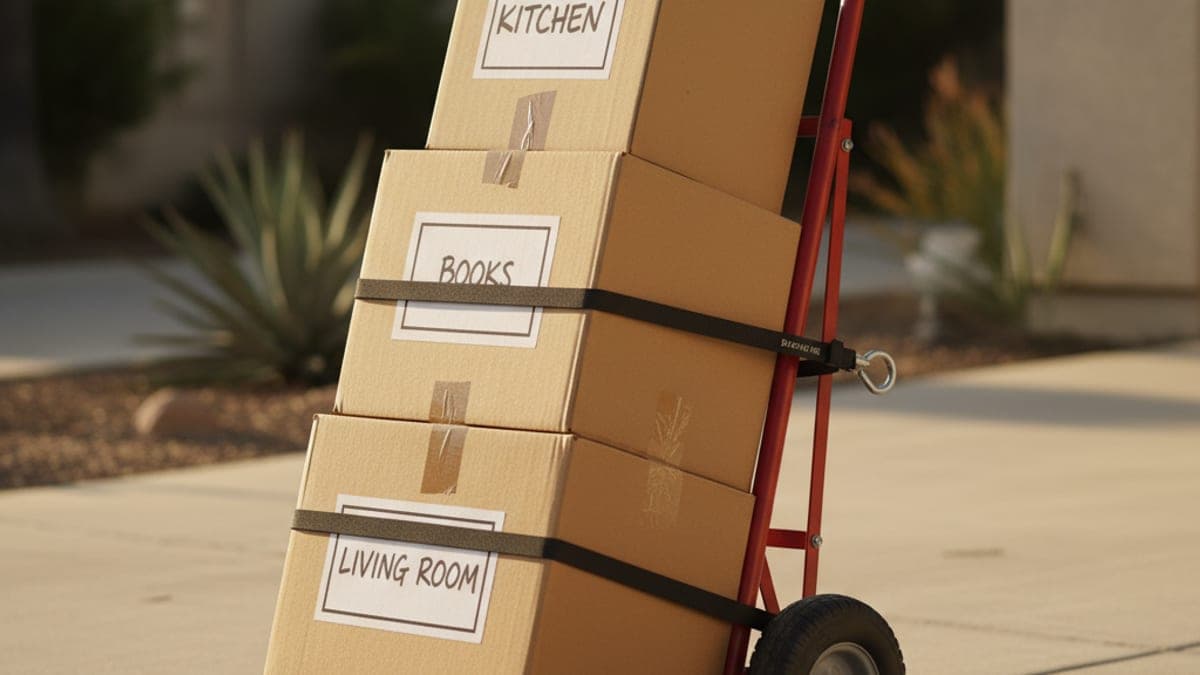
Many San Diego condos with a freight elevator require a reserved window for any move-in or move-out. The building puts the elevator in service mode and may pad the walls during the move.
The specific rules vary by building. Ask the HOA or property manager for the written moving rules, which typically address the length of the reservation window, whether weekend or holiday moves are allowed, any deposits or fees, and what happens if the move runs past the scheduled time.
Some buildings also limit the number of move-ins per day or per weekend, so request the elevator window well ahead of your move date, especially during peak season (May to September).
What happens if I run over the elevator window?
What happens depends on the building’s rules. Some buildings charge overage fees, some forfeit the deposit, and some simply note it for next time. Ask the property manager what the consequences are before the move so there are no surprises.
Avoiding overruns is mostly about crew sizing and preparation. The mover you book can estimate crew size based on the home’s size, the furniture list, and the elevator window. A larger home with heavy items in a building with a tight window may need more movers to finish on time.
For access strategies that apply to apartment moves in San Diego, see the apartment moving service page.
What about gated condo communities (not high-rises)?
Gated condo communities and mid-rise buildings across San Diego County may or may not require a COI. The rules vary by whether the unit is on the ground floor, has private garage access, or shares a freight elevator with neighbors. Ask the HOA or property manager for the written moving rules for your specific building.
Mid-rise condo communities with one shared elevator sometimes have stricter scheduling because of resident impact. High-rises with dedicated freight elevators may allow longer windows.
Single-stair walk-ups in neighborhoods like Pacific Beach, Ocean Beach, and Hillcrest sometimes have no HOA at all, or an HOA with minimal move rules. Check with the building before assuming.
What documents do I need to give my mover?
To help the mover process the COI, send them the building’s requirements well before move day:
- HOA management company name and email address
- Exact name of the HOA (often different from the building name)
- Property owner’s name (often a separate LLC)
- Specific COI requirements email from management
- Building address and unit number
- Move window date and time
- Any special access notes (loading dock vs. lobby, freight vs. passenger elevator, parking restrictions)
If the HOA has a written “moving rules” PDF, forward that too. Better to over-share than to discover on move day that the elevator pads are rented separately and management is closed for the weekend.
For a referral to a licensed mover who can handle the COI process, call (858) 400-4069. The mover you book puts the estimate in writing.
California condo HOAs operate under the Davis-Stirling Common Interest Development Act, published by the State of California starting at Civil Code section 4000, for anyone who wants the source text.
Frequently asked questions
How fast can a mover issue a COI?
A properly insured mover with a regular insurance broker can usually arrange a COI within a day or two. The turnaround varies by broker and insurer. Ask the mover about their COI process before committing to a tight move date.
Can the HOA reject my mover?
Yes, and they sometimes do. If the mover is not licensed (California household mover license from BHGS for intrastate, USDOT for interstate) or carries less than the building’s minimum, the HOA can reject. Confirm the mover’s license and insurance before booking by checking search.dca.ca.gov/hhm_search for California moves or FMCSA for interstate moves.
Do all San Diego condos require a COI?
No. Mid-rises and walk-ups under 4 stories often skip the COI requirement and just want a written notice of move date. High-rises, gated communities, and any building with a freight elevator almost always require one.
What if my mover is uninsured and the HOA finds out?
Your move stops at the loading dock. The truck cannot enter, the elevator stays locked, and you reschedule with a properly insured mover (often at peak rate because you are now last-minute). The HOA will not bend on this rule.
About the author
Master Movers San Diego. A referral marketplace covering San Diego County, matching customers with permitted local movers for local, long-distance, and military PCS relocations. (858) 400-4069.