Last updated: July 3, 2026
TL;DR
- Moving a mobile or manufactured home in California is a specialized job, not a standard moving-company job.
- Transport-only costs vary significantly by home size, distance, and road width. Get a written estimate from the HCD-licensed transporter.
- Full-service moves that include disconnection, permits, and setup at the new site push the total higher. Ask the transporter and mover for written estimates on each side.
- The home itself has to be towed by a licensed, HCD-registered transporter with the right permits. No general moving company can legally do that part.
- A licensed moving company handles the part inside the home: packing, wrapping furniture, and coordinating timing with your transporter, so nothing gets left behind or damaged in the shuffle.
Mobile home transport costs in San Diego vary widely based on home size, distance, road width, and how many escort vehicles the route requires. The HCD-licensed transporter provides the transport quote, which does not include disconnection, permits, or setup work on either end. Those add-ons can add significant scope for a full-service move, so get written estimates from both the transporter and the mover.
Moving a manufactured home is one of the most specialized jobs in the industry, and it works differently than a regular household move. The home itself has to be towed by a California HCD-licensed transporter with the right hitch, axles, and Caltrans permits. What most people actually need help with alongside that, packing up the inside, packing services for breakables and furniture, and labor-only movers to load and unload boxes at the new site, is where a licensed moving company fits in. Below is the breakdown of what each side of the job involves and who does what.
What does it cost to move a mobile home in California?
Transport-only pricing scales with size and distance, and San Diego County adds its own permit and escort costs on top of the national range.
| Home type | Local (under 50 miles) | 100+ miles |
|---|---|---|
| Single-wide | Get transporter’s written estimate | Get transporter’s written estimate |
| Double-wide | Get transporter’s written estimate | Get transporter’s written estimate |
| Triple-wide | Get transporter’s written estimate | Often not economical to move |
Transport costs vary by route, axle count, escort requirements, and the transporter’s current rates. Always get the actual number in writing.
Add-ons that show up on most jobs:
- Caltrans transportation permit: costs vary by route and axle count; ask the transporter for the current fee schedule.
- Pilot/escort vehicles: required in California for wide loads; the transporter quotes the per-mile cost.
- Disconnection at the origin: utilities, skirting removal, tie-downs; costs depend on the home’s setup.
- Setup at the destination: leveling, reconnecting utilities, new skirting; ask for a written estimate.
- New foundation or pad prep, if the destination park or lot requires it: can add significant scope.
Older homes, homes without a current HCD-approved chassis inspection, or homes going more than 100 miles cost meaningfully more, and some parks won’t accept a home older than a certain year regardless of budget. Get the age and chassis condition checked before you price the move, not after.
Who is legally allowed to move a mobile home in San Diego?
Only a transporter licensed and registered with the California Department of Housing and Community Development (HCD) can legally tow a manufactured home on public roads. This is not the same license category as a standard household goods mover, and it is a different truck, hitch, and axle setup entirely. A general moving company cannot and should not tow the structure itself. Ask any company you’re considering for their HCD transporter registration number before you book the actual tow.
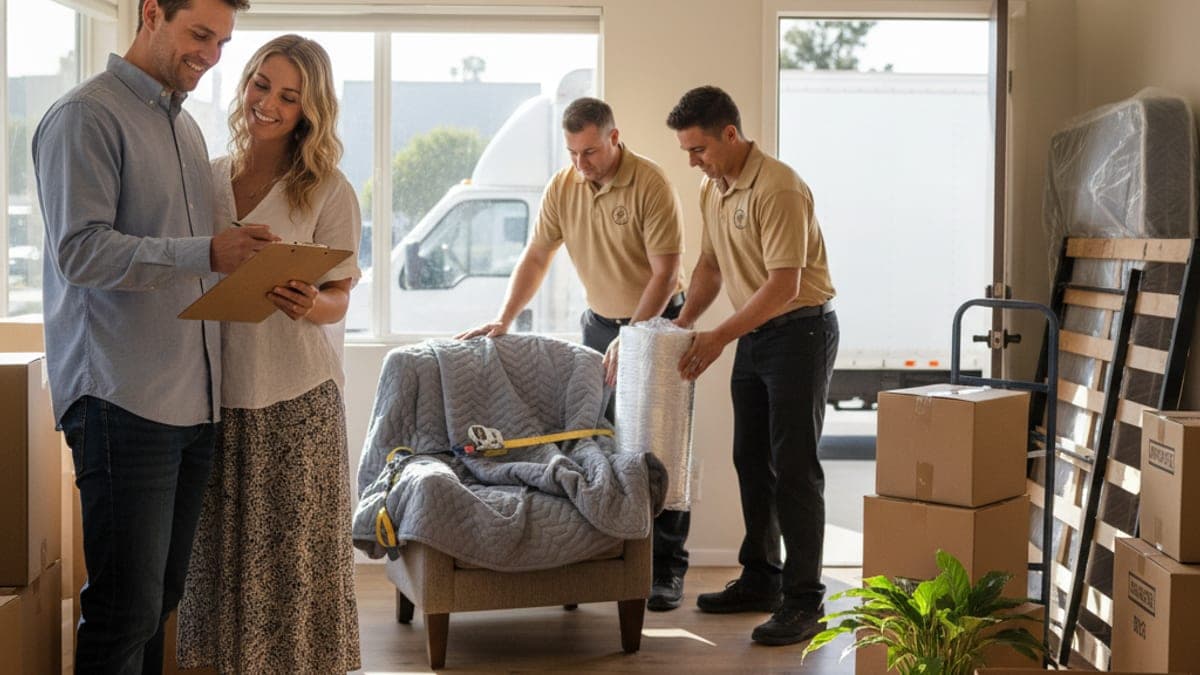
What a licensed moving company handles is everything that goes inside the home before it moves: packing dishes, wrapping furniture, boxing up a lifetime of belongings, and getting it all safely to the new site once the home is set. The mover coordinates timing with your transporter so the packing crew and the transport rig aren’t fighting over the same driveway on move day.
What permits does a mobile home move need in San Diego County?
Every mobile home move on public roads in California needs an HCD transport permit and, for most double-wides, a Caltrans transportation permit for the specific route. Your transporter pulls these, not you, but it’s worth knowing what they cover: axle weight limits, route restrictions around bridges and narrow roads, and required escort vehicles for anything over 12 feet wide (which is most double-wides). Permits are route-specific and typically take a few business days to process, so book your transporter at least two to three weeks before your target move date, longer during summer when demand peaks countywide.
If you’re relocating to or from a mobile home park in Santee, El Cajon, Chula Vista, Oceanside, or Escondido, the parks in these areas often add their own move-in and move-out requirements on top of state permits: age restrictions on incoming homes, HOA-style architectural approval, and scheduled gate access for oversize loads. Call the park office before you set a move date. A transport crew showing up to a locked gate with no reservation is a wasted trip you pay for either way.

Is it cheaper to move a mobile home or buy a new one?
For homes more than 15 to 20 years old, or moves over 100 miles, the transport and setup cost often gets close to the value of the home itself, and that’s before you count a new foundation or skirting at the destination. Run the math before you commit: get a transport-only quote, add realistic setup costs, and compare that total to what a comparable used manufactured home costs in your destination area. For shorter local moves within San Diego County with a newer home in good condition, transport is usually the clear winner financially.
How do I prepare the inside of a mobile home before it’s transported?
Everything inside needs to be packed, secured, or removed before the transporter arrives, because the ride itself involves real vibration and sometimes rough roads. Cabinets need their contents boxed, not left loose. Furniture needs wrapping and, in many cases, temporary removal if it’s not built in. Fragile items, china, glassware, mirrors, need professional packing materials, not just newspaper and hope.
This is where a licensed moving company fits in. The mover packs the inside of the home, wraps furniture for the move, and can handle move-out and move-in labor on both ends so your transporter is moving a secured structure, not a home full of loose boxes. If you’re also downsizing as part of this move, the senior movers page covers that transition.
Where does a full-service moving company fit into a mobile home move?
The licensed mover handles the contents, the packing, the labor, and the coordination, while your HCD-licensed transporter handles the structure itself. On a typical job, that looks like: the moving crew packs and secures the inside a day or two before pickup, the transporter disconnects utilities and tows the home, and the crew meets the home (or a separate rented truck with your remaining belongings) at the new address to unpack and set up. The mover coordinates the schedule directly with your transporter so there’s no gap where your things sit unprotected.
If you’re comparing this against a standard local move, the post on what a local move costs in San Diego in 2026 walks through the baseline numbers for context. And if you haven’t picked a mover yet for the contents side of a mobile home relocation, the San Diego moving services page covers what licensed movers handle across the county.
Frequently asked questions
How much does it cost to move a mobile home in California? Transport-only costs vary by home size, distance, and road width; get a written estimate from the HCD-licensed transporter. Add disconnection, permits, and destination setup, and a full-service move adds significant scope. Get written estimates from both the transporter and the mover for the actual numbers.
Who moves mobile homes in San Diego? Only a California HCD-licensed and registered transporter can legally tow a manufactured home on public roads. A standard moving company handles the contents, packing, and labor, but not the structural tow itself. Confirm any transporter’s HCD registration before booking.
Do I need a permit to move a mobile home in San Diego County? Yes. Every move needs an HCD transport permit, and most double-wides also need a Caltrans transportation permit for the specific route, plus escort vehicles for wide loads. Your transporter pulls these permits, and they typically take a few business days to process.
Can Master Movers San Diego move a mobile home for me? The marketplace can match a licensed mover who packs and moves everything inside your home and coordinates with your HCD-licensed transporter on timing. The structure itself requires a specialized HCD-licensed carrier, not a household mover. Licensed movers on the platform cover packing, labor, and setup on both ends across San Diego County.
Is it worth moving an older mobile home instead of replacing it? For homes under 15 to 20 years old moving locally, transport is usually cheaper than replacing the home. For older homes or long-distance moves, compare a real transport-plus-setup quote against the cost of a comparable used home at your destination before deciding.
Get help with your mobile home move
If you’re relocating a manufactured or mobile home anywhere in San Diego County, a licensed mover can pack and move everything inside it and coordinate directly with your HCD-licensed transporter so the whole move stays on one schedule. Call (858) 400-4069 for the marketplace to match a mover for the packing and labor side of your move.